
THE FUTURE OF GLOBAL TRADE HOW DEEP TECH IS TRANSFORMING FINANCIAL TRANSACTIONS
Author: Sarthak Sonawane , Puspal Mondal ,Vanshika Panjabi DOI: https://doi.org/10.68120/IC2425C13 Page Numbers:81 to 84
Keywords: Trade Finance, Blockchain, Artificial Intelligence (AI), Cross-Border Transactions, FinTech, Supply Chain Finance.
Abstract: This paper examines how deep technologies such as blockchain, artificial intelligence , machine learning , and Internet of Things are transforming financial transactions across the global trading ecosystem. Traditional trade finance systems are typically defined by lengthy documentation processes cumbersome operations which make them vulnerable to fraud. Deep tech achieves faster and cheaper operations with real-time transparency. Through smart contracts and decentralized ledgers blockchain technology has been instrumental in the streamlining of cross-border payments and transactions as well as trade finance and supply chain operations by eliminating middlemen and reducing fraud possibilities. Through risk assessment and fraud detection as well as predictive analytics, AI and ML systems enhance the precision of financial institutions’ data-driven decision-making. IoT-based tracking systems improve supply chain visibility and security. This paper examines deep tech’s impact on trade finance, focusing on its applications, benefits, challenges, and future. Using data from financial institutions, case studies, and insights from WTO, IMF, and World Bank, it explores how these technologies reshape global financial transactions. The study shows that deep tech has greatly enhanced the efficiency and security of financial transactions but there are still issues of regulatory uncertainty and cyber risk as well as resistance to digital change that need attention for widespread take up. Secure, transparent and sustainable global trade finance will only be possible once both governments and financial institutions have embraced these technologies and put in place a solid regulatory structure.
INTRODUCTION:
The Internet of Things (IoT), artificial intelligence (AI), machine learning (ML), and blockchain deep technologies are advancing quickly to transform trade finance operations and financial transaction processing worldwide. Traditional trade finance has long been burdened by complex paperwork, high costs, delays, and the risk of fraud, making global transactions slow and expensive. Deep tech innovations are helping to solve these challenges by automating processes and improving transparency and security. Smart contracts on blockchain platforms offer secure, tamper-proof trade agreements. Meanwhile, AI analytics help detect fraud earlier and improve risk management. Digital payment solutions are also making international transactions faster and easier for businesses. This paper examines the effects of deep technology on financial transactions across global trade while it works to minimize inefficiency and improve security while transforming traditional financial systems. This study analyses key technological advancements in trade finance and their global applications while addressing challenges through an examination of secondary data from trade organizations and financial institutions combined with industry reports. The fast-paced digital transformation requires businesses together with policymakers and financial institutions to understand how deep tech can transform global trade finance operations to navigate the new economic landscape.
STATEMENT OF PROBLEM
Traditional trade finance systems are plagued by slow processing times, high transaction costs, fraud risks, and complex regulatory requirements, making cross-border transactions inefficient. The lack of transparency and reliance on intermediaries further hinder global trade. This paper examines how deep tech innovations can address these challenges and transform financial transactions.
OBJECTIVES
1. To see how new technologies like blockchain, AI, and IoT are making global trade finance more efficient, secure, and transparent.
2. To look at how things like smart contracts, digital payments, and AI-driven analytics are changing how cross-border transactions happen.
3. To comprehend some practical challenges and other issues that can come when businesses attempt to utilized deep tech in their field of trade.
SCOPE
This research paper delves into the theme of them modern technologies like AI, Block Chain, Digital Payment services are giving ashape to the trade finance worldwide. It scrutinizes how digital transactions have become more precise and secure with the help of technologies. Also, researchers understand that the changing role of deep tech in trade finance. That opens a new opportunity for businesses.
LITERATURE REVIEW
Deep technologies have transformed global trade finance through major advancements during recent years. The new technology infrastructure speeds up operations while providing enhanced security and operational efficiency. Artificial Intelligence together with blockchain technology and big data analytics and digital currencies establish a digital network which reduces risks and boosts transparency
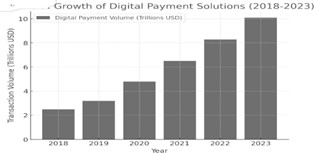 Figure 1 Growth Of Digital Payment Solutions (2018-2023)
during international trade operations. Financial institutions along with trade organizations currently adopt these tools to make international transactions simpler and more secure. Research suggests that these technologies can transform traditional financial systems and create a more connected global network. For instance, the World Trade Organization (WTO) reports that blockchain-based trade finance solutions could cut transaction costs by as much as 30%. At the same time, transborder payment solutions are expected to reach a market value of $250 billion by 2025, showing how quickly deep tech is advancing in finance. (Source: World Trade Organization (WTO), 2024. Trends in Digital Payments and Cross-Border Transactions.) Blockchain technology has emerged as a critical enabler of transparency and security in global trade finance. Blockchain is designed so that once data is recorded, it can’t be changed, which means trade documents, invoices, and payment records are safely stored and can be checked by everyone involved. Research shows that blockchain speeds up transactions by cutting out middlemen and automating verification. Smart contracts make things even smoother by making sure agreements are followed and triggering payments automatically when conditions are met. Platforms like Contour and Marco Polo have helped reduce trade settlement times from weeks to just a few days. According to the International Chamber of Commerce (ICC), 60% of banks are now investing in blockchain-based trade solutions to make processes more efficient and cut costs. Smart contracts have also reduced the need for manual checks, cutting errors and failed transactions by 40%.
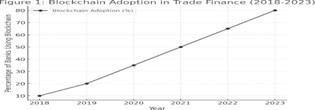
Figure 2 Blockchain Adoption In Trade Finance (2018-2023)
(Source: International Chamber of Commerce (ICC), 2023. Digital Trade and Blockchain Adoption in Trade Finance Report) AI tools are changing trade finance by improving risk assessment, fraud detection, and predictive analytics. Machine learning looks through huge amounts of data to spot unusual patterns and prevent fraud, making transactions safer. AI chatbots and virtual assistants are helping with customer service by checking documents and ensuring compliance automatically. Studies show that AI also improves credit scoring, which helps more businesses get access to trade finance. According to a 2023 report from McKinsey, using AI has boosted fraud detection by 20% and cut transaction processing times by half. AI use in trade finance is growing quickly, with adoption expected to rise by 35% each year as trade institutions turn to machine learning to improve compliance and credit evaluations.
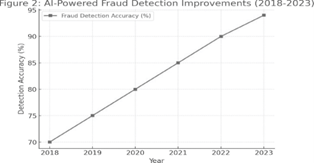
Figure 3 AI-Powered Fraud Detection Improvements (2018-2023)
(Source: McKinsey & Company, 2023. The Future of AI in Financial Transactions.)
Despite the advantages of deep technologies in financial transactions, cybersecurity remains a significant challenge. Blockchain transactions, while secure, are still vulnerable to smart contract vulnerabilities and cyber threats. AI-driven finance models must address concerns related to data privacy and algorithmic biases. Several studies suggest that the increasing reliance on digital payments and automated trade finance solutions necessitates robust cybersecurity frameworks to mitigate potential risks. In 2022, global cybercrime costs related to financial transactions exceeded $6 trillion, highlighting the need for stronger security measures in deep tech finance Regulations need to keep up with the fast changes happening in financial technology. Across the globe, governments and regulators are actively developing policies to keep up with emerging technologies like blockchain-based trade finance, AI-driven credit assessments, and digital payment systems. These new regulations underline the need for countries to collaborate and ensure that cross-border transactions remain smooth, secure, and reliable. Looking ahead, deep technologies are expected to play an even greater role in shaping the future of trade finance, especially as advancements like quantum computing and decentralized finance (DeFi) gain momentum. These innovations have the potential to make global trade faster, safer, and more efficient. Experts believe that as AI and blockchain continue to evolve, we could see the rise of nearly fully automated trade finance systems. The increasing adoption of digital assets together with tokenized trade instruments will bring substantial changes to how financial operations occur across international borders. The Progress experiences persistent challenges because of cybersecurity risks and regulatory shortcomings. Research and proper policy development will be necessary to achieve complete benefits from deep-tech applications in global financial operation.
METHODOLOGY
This research utilizes existing data sources to explore deep technological impacts on global trade finance transformation. The trade finance sector holds vital importance yet academic research on this topic remains sparse. The study uses various dependable sources that include WTO and ICC information to determine significant trade finance trends and technology adoption rates. The research analyzes the technological developments that take place within the trade finance industry. The study assesses how new deep technologies influence trade finance operations by evaluating their effects on efficiency and security and transparency levels. The research provides useful knowledge which helps policymakers alongside financial institutions and businesses to manage the changing global trade finance environment.
FINDINGS AND DISCUSSION
Our research paper , we examined a wide range of existing research and data to understand how deep technologies are changing the landscape of trade finance around the world. Selecting a manufacturing process usually depends on the type of work and the volume of production. There are five main process types – job shop, batch, repetitive, continuous, and project. Noteworthy, there are many factors to consider when choosing a process, as each type has its advantages and disadvantages. This paper aims to describe the five basic process types by comparing and contrasting them using examples Job shops and batches first emerged as production methods before the industrial revolution introduced repetitive and continuous processes. Job shops produce various products through small volume production. The process needs adaptable equipment together with skilled personnel to handle various work tasks. The process has two main disadvantages which include expensive unit costs and difficult scheduling. The job shop model exists in two main forms which include jewelry repair shops and veterinarian clinics. Batches serve as the production method for moderate quantities of products that have moderate variety. Bakers and airlines that serve groups of people serve as typical examples of this production method. The process offers flexibility as its main benefit yet it generates moderate unit costs and requires complex scheduling. Production lines that create TV sets, pencils and automobiles serve as examples for repetitive process type products. This production approach enables high production volumes however it requires expensive equipment downtime and reduces operational flexibility. The continuous process involves the production of the highest volumes, rigid equipment, and low-skilled personnel. Examples of a continuous process type are sugar, flour, gasoline, steel production, and supplying electricity or the Internet. This type’s disadvantages are its rigidity and low variety; its advantages are high volumes and efficiency. Project process type is usually chosen in project work cases, for example, when filming a movie, publishing a book, building a dam. Project type can have characteristics of all types because of the projects’ variety. Thus, the five basic process types and the advantages and disadvantages of each were described by comparing and contrasting them using examples. Job shops are often used when there is a need to produce small volumes of unique products; batches are used in medium volumes and work variety. Repetitive and continuous types emerged after the industrial revolution and now represent high volume production types for the mass consumer. Meanwhile, digital payments are growing quickly and could reach $250 billion by 2025. But as digital payments rise, so do cyber threats, which cost the global economy $6 trillion in 2022 alone, highlighting the urgent need for better security measures. Real-time data analytics tools enable businesses to make better decisions through demand forecasting and risk assessment processes. Deep tech adoption faces several obstacles because organizations worry about data privacy risks and cybersecurity threats and system integration problems. Various stakeholders including governments and regulators and financial institutions and technology providers must collaborate to achieve successful tool implementation. The future potential of quantum computing and DeFi and tokenization in trade finance depends on establishing robust regulatory frameworks and security measures. Overcoming these challenges is essential to establish a worldwide trade finance system with enhanced speed and security which will also promote inclusiveness and resilience.
CONCLUSION
Deep technologies including blockchain, artificial intelligence (AI), big data analytics and digital payment solutions have been integrated rapidly into global trade finance systems to transform efficiency and security outcomes while enhancing transparency across the industry. The research reveals these technological innovations are key drivers of lower transaction costs and fraud prevention while also speeding up trade settlement processes. Smart contracts on blockchain systems have proven essential for enabling automated financial transactions while streamlining trade processes by eliminating intermediaries. The integration of AI into risk management and fraud detection systems enhances financial security and digital payment systems make cross-border trades both faster and more accessible for participants. Trade finance professionals believe deep technology adoption will expand further as AI adoption grows at a 35% annual rate while blockchain- based trade finance platforms cut transaction periods from weeks to days. Although significant progress has been made in trade finance through technology innovations major challenges remain in place including cybersecurity threats together with regulatory uncertainty and serious data privacy concerns. To solve existing problems policymakers and financial institutions need to work together with technology providers to develop standard global regulations. Trade finance will likely experience additional changes from quantum computing and decentralized finance (DeFi) technologies as they emerge in the industry. The pursuit of secure and efficient financial services with full inclusion demand ongoing research and regulatory support alongside cybersecurity investments.
REFERENCES
Accenture Research (Williams, L., & Patel, R.). (2023). Blockchain, AI, and Big Data: The Future of Financial Transactions. Accenture Global Research. Retrieved from https://www.accenture.com
Carstens, A. & Restoy, F. (2023). Digital Payments and the Evolution of Global Trade Finance. Bank for International Settlements. Retrieved from https://www.bis.org
Deloitte Insights (Kashyap, R., & Das, M.). (2022). The Role of Artificial Intelligence in Trade Finance. Deloitte Touche Tohmatsu Limited . Retriev edfrom https://www2.deloitte.com
Financial Stability Board (FSB). (2023). Cybersecurity Challenges in Digital Finance: Addressing Emerging Threats. FSB Publications. Retrieved from https://www.fsb.org
International Chamber of Commerce (ICC). (2023). Blockchain in Trade Finance: Trends and Adoption. ICC Publishing. Retrieved from https://www.iccwbo.org
Lagarde, C., & Adrian, T. (2023). The Future of Digital Currencies in Trade Finance: Opportunities and Risks. Internationa l Mone tary Fund. Retri eved from https://www.imf.org
Manyika, J., Silberg, J., & Presten, B. (2023). AI in Financial Services: Transforming Risk Management and Fraud Detection. McKinsey Global Institute. Retrieved from https://www.mckinsey.com
OECD Digital Economy Division (Smith, T., & Johnson,P.). (2023). The Digitalization of Trade Finance: Challenges and Opportunities. OECD Publishing. Retrieved from https://www.oecd.org
Schwab, K. & Zahidi, S. (2023). Deep Technologies and Their Impact on Global Financial Transactions. World E c o n o m i c F o r u m . Retri evedfr om https://www.weforum.org
World Trade Organization (WTO). (2023). The Impact of Blockchain on Trade Finance: Efficiency and Cost Reduction. World Trade Organization. Retrieved from https://www.wto.org